Menu
Close



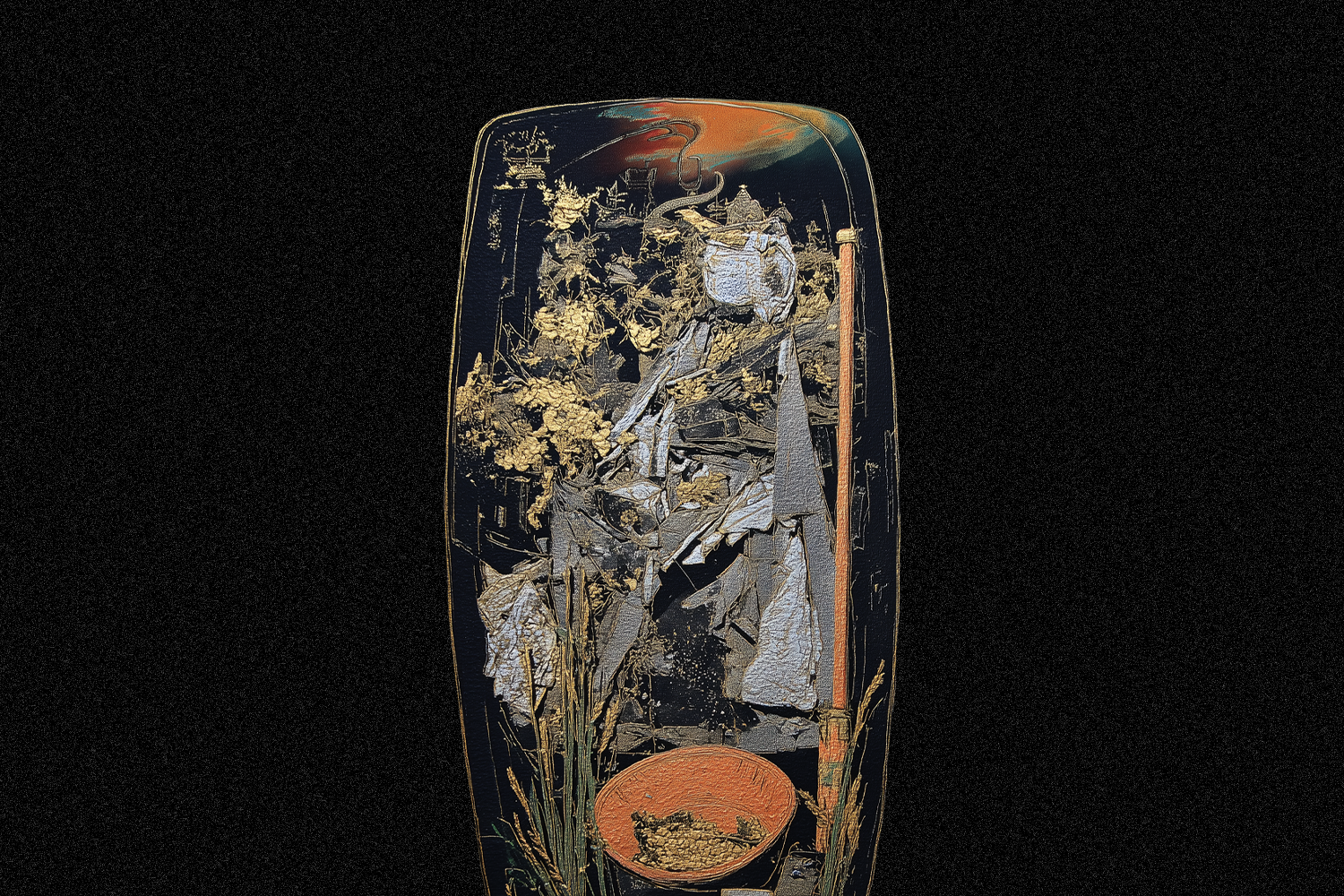
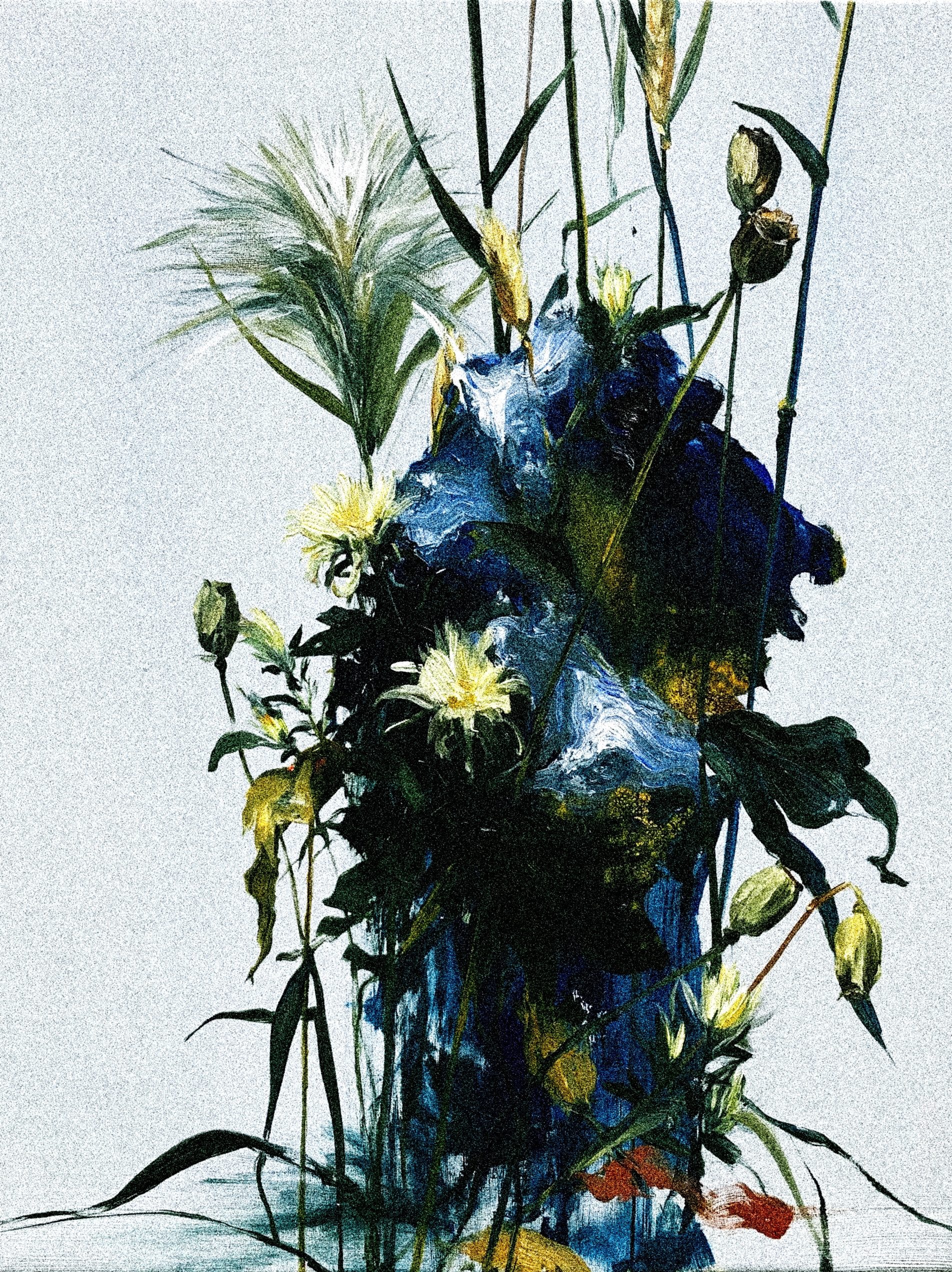
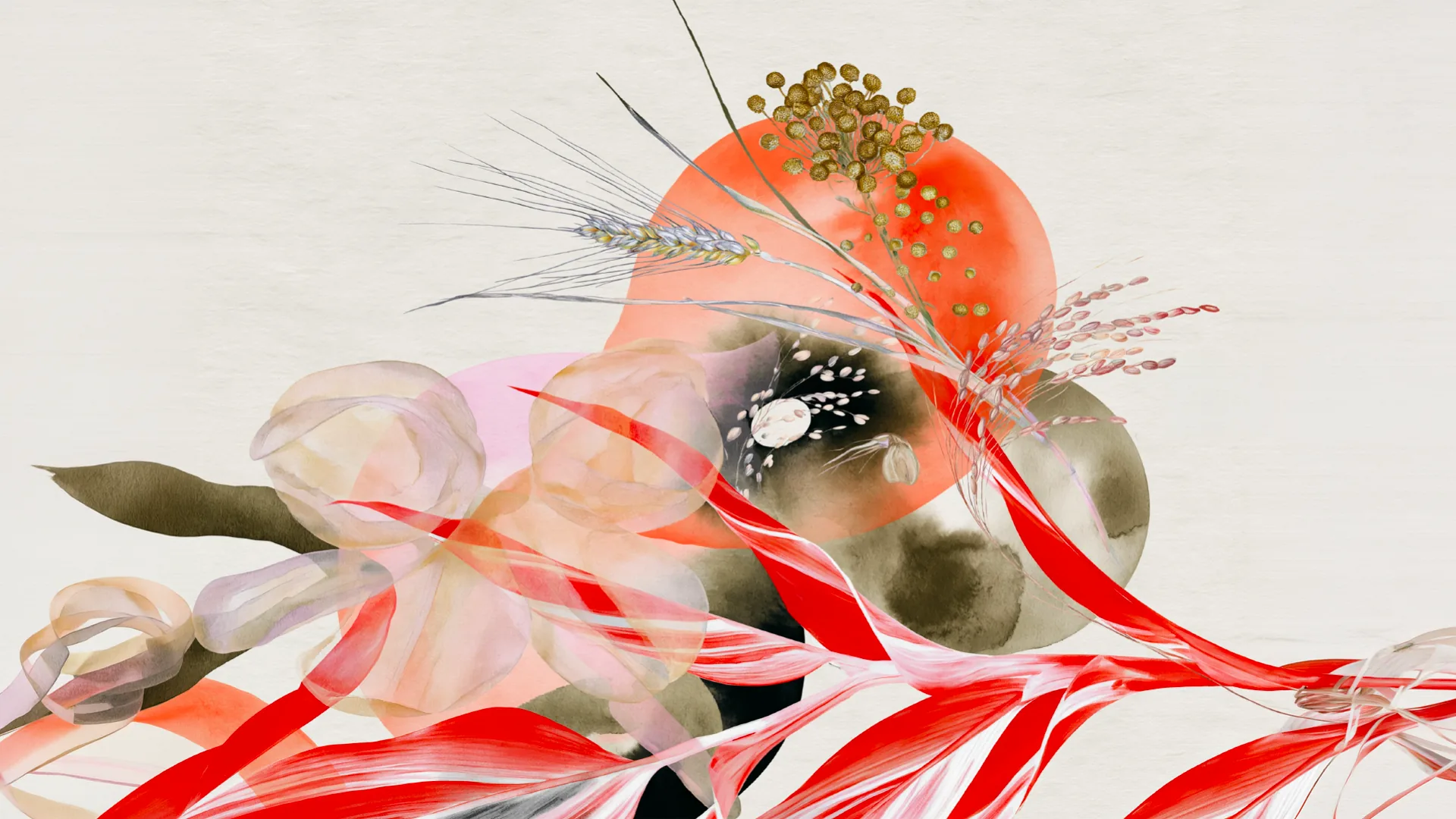
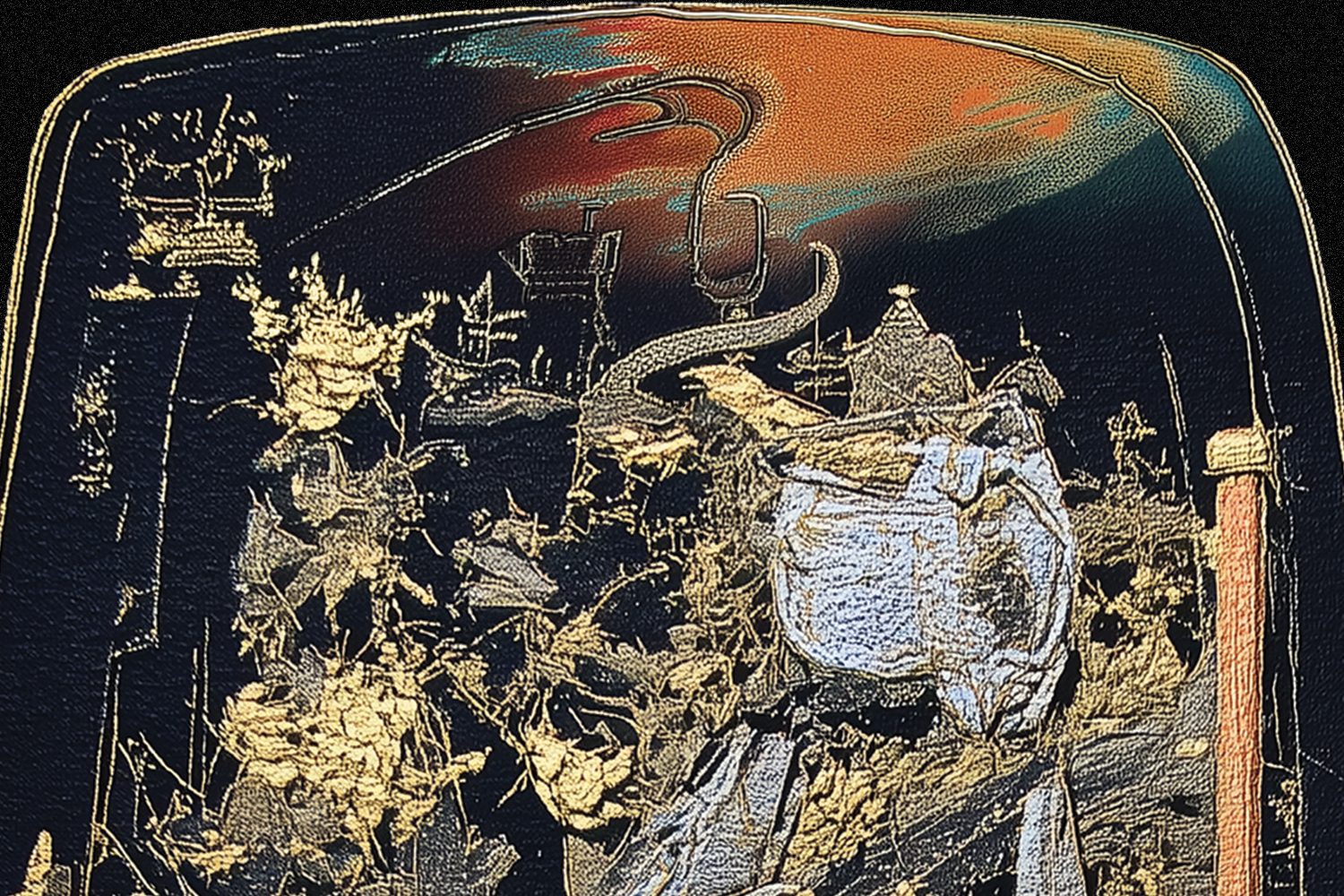
Lacquerware holds memory like a sealed vessel, silently bearing strata of interwoven time. Gold is rice—the condensed labor and sweat of a single season. Silver is stone—an emblem of time more ancient and unrelenting. The nameless fragments pressed deep at the bottom, cracked and overlapping, are the entanglement of all that was taken and all that was left behind: the low hum of things that dissolved before they could ever be spoken.
Every year at Qingming, we carry our hoes into these mountain woods, dense with the grain of history. The trail is already inscribed into the body—soles that instinctively sidestep loose rock, palms that remember the exact pitch of the wooden handle. Yet what we clear away each spring is never merely the surface brush woken by the season. Some of it consists of memory salvaged from the crevices of forgetting; some of it reveals itself only when you crouch low enough to realize, with a quiet jolt, that those tangled root systems took hold inside you long ago. It is a longing that compels our return year after year, locating ourselves anew between what is lost and what remains.
Those who have vanished have not truly gone far. They have simply receded to a horizon just beyond our reach—where they become an elusive gravity, lying quietly in wait for our annual return, as if to verify that we are still here, that the tether across time holds fast.
The low thud of the blade breaking earth remains unchanged year after year. The golden rice within the lacquer endures, an echo undimmed by time. Those who remain stand upon the surface; those buried beneath have long become the deepest foundation of this land. Across this open wilderness where life and death overlap, golden grain grows on unhurriedly—sealing our remembrance into soil and vessel, season after season, without end.